

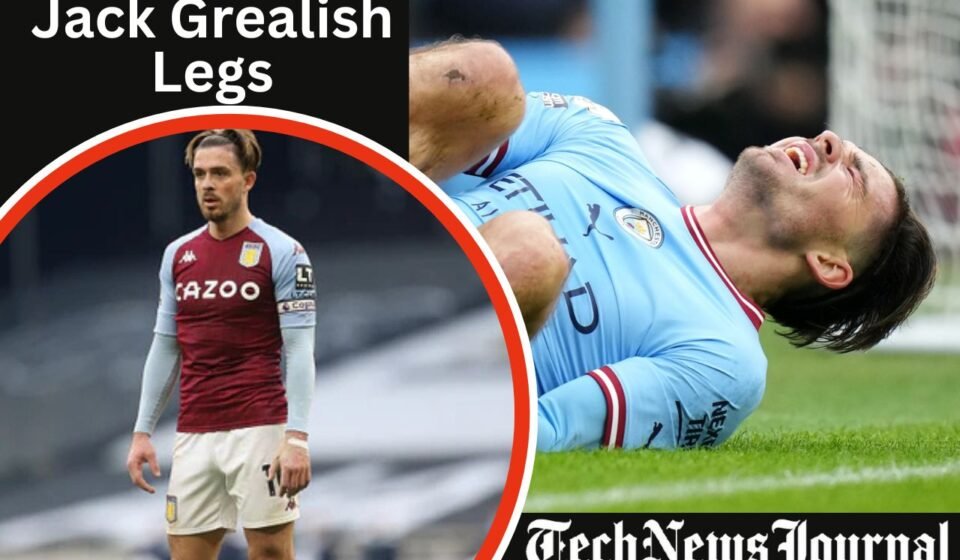

Type “Jack Grealish legs” into any search bar on a Premier League weekend and you’ll find a strange mix of clips, jokes, fan chatter, and genuine football analysis. It looks like an odd thing to search for. Yet it has become one of the more persistent quirks of online football culture, and the reasons behind it are surprisingly layered. This article digs into what people are actually looking for, why the phrase keeps coming back, and how anyone covering it can do so in a way that’s both interesting and responsible.
Why This Search Trend Exists at All
Football has always produced talking points that have little to do with goals and tactics. Hairstyles, tattoos, boot choices, celebrations, and post-match interviews all generate their own little corners of fan conversation. “Jack Grealish legs” sits firmly in that tradition. It’s a phrase that started with a simple visual observation and grew into a recurring search because fans kept noticing the same thing, match after match.
The trend is sticky for a clear reason: it’s tied to something fans can see with their own eyes every single game. Unlike a one-off moment that fades by the next fixture, Grealish’s appearance on the pitch is consistent. That consistency is what turns a passing observation into a repeatable search term. People see it, they wonder about it, they search for it, and the cycle renews itself whenever he plays.
The Player Behind the Phrase
Jack Grealish, the England and Manchester City forward, is one of the most recognizable figures in English football. He carries a high media profile, a large social following, and a personality that draws attention both on and off the pitch. When a player reaches that level of fame, audiences begin paying attention to details that would go completely unnoticed for a lesser-known name.
His reputation as an entertainer adds to this. Grealish is known for a flamboyant, crowd-pleasing style of play, and fans naturally connect that energy to everything about how he presents himself. The “legs” conversation is, in many ways, just one more thread in a much larger tapestry of attention that follows him wherever he goes.
His Visible Playing Style
A big part of the curiosity comes from how Grealish actually plays. His game is built on close control, balance, and the ability to ride challenges while keeping possession. He invites contact, absorbs it, and stays on his feet, which keeps him at the center of the action far more often than the average winger. The ball spends a lot of time near his feet, and so do the cameras.
This style draws the eye downward. When a player relies on quick changes of direction, low movements, and constant physical duels, viewers end up watching his lower body closely whether they intend to or not. The way he shields the ball, plants a foot, and pivots away from defenders puts his legs front and center in nearly every sequence he’s involved in. The search trend grows directly out of this visible, repeated motion.
The Athleticism Underneath
Strip away the jokes and there’s a real sports story here. A footballer’s lower-body strength shapes how they accelerate, change pace, hold off defenders, and stay upright under pressure. Grealish is widely recognized for a strong, muscular lower body, and fans often link that build to his low center of gravity and his knack for staying balanced in tight spaces.
This athletic foundation is what allows his playing style to work. You can’t shield the ball under heavy contact or twist past defenders in crowded areas without the physical base to support it. So when people comment on his legs, part of what they’re responding to is genuine athletic capability. It’s a useful angle for anyone covering the topic, because it grounds the curiosity in something verifiable rather than speculation. Build and balance are central to how he competes, and that’s a story worth telling on its own terms.
Sock and Shin-Pad Choices
The single most concrete reason behind the trend is also the most practical: his kit. Grealish is well known for wearing very short shin pads with low-cut socks, leaving more of his lower legs visible than most players on the pitch. It’s a deliberate, repeated choice, and it has become something close to a personal trademark.
Footballers often develop strong preferences and superstitions around their kit, and small shin pads with short socks are simply his. What might be a minor comfort decision for the player becomes, for viewers, a distinctive visual signature. Because he wears it every match, it reads as part of his identity rather than a passing fashion choice. That repetition is exactly what makes it memorable, and memorable details are what searches are built on.
How Broadcast Visibility Amplifies the Detail
Television coverage plays a quiet but powerful role in all of this. Cameras follow the ball, and because Grealish is so often on it, his lower legs end up on screen constantly. Broadcasters frame players from multiple angles, zoom in during key moments, and replay sequences from different perspectives. A recurring visual detail, seen through that lens week after week, becomes familiar to anyone who watches regularly.
This creates a kind of feedback loop. The distinctive sock style draws attention, the camera time reinforces it, commentators occasionally remark on it, and the look settles into the player’s on-screen identity. None of these forces is dramatic on its own. Combined, they explain how a small kit decision becomes something millions of viewers recognize instantly.
Fan Curiosity and the Search Impulse
People search for what they notice. When viewers see something unusual and don’t immediately understand it, the natural response is to look it up. “Why does Jack Grealish wear his socks like that?” or “why are his shin pads so small?” are the kinds of honest questions that drive a lot of this traffic. The “legs” phrasing is often just shorthand for a broader curiosity about his appearance and style.
This curiosity is mostly benign. Fans want context. They want to know whether it’s a superstition, a comfort choice, or a deliberate statement. The search trend, at its core, reflects ordinary interest in an unusual detail from a player people enjoy watching. Understanding that helps reframe the topic away from anything sensational and toward simple, relatable inquiry.
Celebrity Culture and the Profile Effect
Attention compounds for high-profile athletes. The bigger the name, the more every small thing gets noticed, dissected, and shared. Grealish’s visibility, his record-setting transfer history, and his outsized personality all keep him in the spotlight, which means even minor stylistic details get magnified far beyond their actual importance.
This is a familiar pattern across sports and entertainment. Once a public figure crosses a certain threshold of fame, audiences start scrutinizing elements that would pass without comment for someone less known. The legs conversation is partly a byproduct of that profile effect. It isn’t something Grealish actively promotes so much as a natural consequence of being one of the most watched players in the game.
Meme Circulation and Online Football Culture
Modern football fandom lives online, and internet culture thrives on repeatable jokes. Once a detail becomes recognizable, fans turn it into shorthand. They cut clips, write captions, build reaction posts, and reuse the same running gag across platforms. Every new match supplies fresh material, which keeps the joke alive and circulating.
Meme dynamics reward exactly the kind of consistency Grealish provides. The same sock style, the same camera attention, the same playful commentary, repeated week after week. That repetition is the fuel a long-running internet joke needs. The phrase spreads not because anything scandalous happened, but because it slots neatly into the way fans already communicate about the players they enjoy.
It’s worth stressing that most of this is affectionate. Football communities tease the players they like, and a recurring visual quirk usually becomes a friendly in-joke rather than genuine criticism. The humor signals familiarity and fondness more than mockery.
Football Aesthetics and the Appeal of a Signature Look
There’s a broader theme here about how athletes develop signature looks. Football is a visual sport, and players who stand out visually tend to lodge in the collective memory. A distinctive boot color, an unusual celebration, a particular way of wearing the kit, all of these become part of how fans identify and remember a player.
Grealish’s short socks fit neatly into this tradition of football aesthetics. They make him instantly recognizable from a distance, even in a crowded frame. For fans, that recognizability becomes part of the appeal. A signature look gives a player character beyond their statistics, and it gives supporters something memorable to latch onto. The “legs” trend is, in a sense, proof that the look works as an identifier.
Why Related Searches Keep Appearing
Search trends rarely exist in isolation. When one phrase gains traction, related queries tend to cluster around it. People searching for “Jack Grealish legs” often branch into questions about his socks, his shin pads, his style of play, his physique, or why broadcasters seem to focus on him. Each question feeds the next, and the cluster grows.
This happens because the original observation opens several doors at once. Some viewers are curious about the kit, others about the athleticism, others about the memes they’ve seen circulating. The search ecosystem reflects all those motivations, which is why a single odd phrase can generate such a wide spread of related interest. For anyone studying online behavior, it’s a tidy example of how curiosity branches and multiplies.
How Creators Can Approach the Topic Responsibly
For anyone covering this subject, the safest and most rewarding path is to focus on the verifiable, the cultural, and the playful. Lead with the kit and style angle, since the short socks and small shin pads are a genuine, observable choice. Build out the athletic angle by explaining how lower-body strength supports his playing style. Then explore the meme and fandom angle to explain why the phrase spread in the first place. Each of these gives readers real substance.
Tone matters enormously. The strongest coverage treats Grealish as a personality and an athlete, not as an object of scrutiny. It avoids speculation, steers clear of invasive framing, and never drifts from playful observation into uncomfortable territory. The goal is to help readers understand a cultural moment rather than feeding it uncritically. Keeping things light, respectful, and factual is what separates publication-ready writing from cheap clickbait.
Creators can also use the topic as a springboard into richer conversations. How does broadcast framing shape what fans notice? Why do athletes develop signature looks, and why do those looks stick? How does internet culture transform tiny details into lasting jokes? These angles give a piece depth and staying power, and they keep the coverage firmly grounded in genuine insight.
The Bigger Picture
“Jack Grealish legs” endures as a search trend because it sits at the intersection of several modern forces: a distinctive personal style, real athletic ability, intense camera attention, a famous personality, a fan culture built on shared jokes, and a search ecosystem that rewards curiosity. None of those forces is dramatic on its own. Stacked together, they explain perfectly why a simple phrase keeps resurfacing season after season.
For audiences, it’s a lighthearted slice of football culture, a small shared reference that signals you watch closely enough to be in on it. For creators, it’s a reminder that the most viral details often have surprisingly grounded explanations. Approach it with curiosity, accuracy, and a sense of fun, and an offbeat search query becomes a genuinely interesting story about how we watch, talk about, and celebrate the players we love.
Read More: Who Is Lee Cormack? Untangling the People Behind the Name
Conclusion
“Jack Grealish legs” is, at its heart, a story about how small things become big deals when the right conditions align. A distinctive kit choice, a high-profile player, constant camera exposure, and an online fan culture that loves a repeatable joke — each element fed the next until a simple observation became a persistent search trend. The curiosity behind it is real but mostly innocent, rooted in genuine interest in an athlete’s style and physicality rather than anything scandalous. What this trend ultimately reflects is the way modern football fandom works: fans watch closely, they notice details, they share what they find funny or interesting, and they keep talking about it long after the final whistle. Grealish’s legs became a cultural footnote not because of any single moment, but because of the steady accumulation of attention that follows a talented, distinctive, and endlessly watchable footballer wherever he goes.